
These drinks each have distinct characteristics that affect how the body processes alcohol, and they each have their own potential Sober living house for causing hangovers. Tannins are natural compounds found in grape skins, seeds, and stems. They are responsible for the bitter taste in red wine and also play a role in the aging process of wine. However, tannins are also known to trigger headaches or migraines in sensitive individuals.
Does wine contain magnesium, and could it help me sleep?
This quick onset of drowsiness is one of the reasons many people turn to alcohol as a sleep aid. Alcohol consumption, even in moderate amounts, has been shown to suppress REM sleep, which is essential for cognitive functions such as memory consolidation and emotional regulation. As the body metabolizes alcohol throughout the night, the suppression of REM sleep can lead to a rebound effect in the latter half of the night, causing more frequent awakenings and lighter, less restorative sleep.
Drinking Habits and Consumption Patterns
- For some individuals, sulfites can cause allergic reactions, such as headaches, skin rashes, or respiratory issues.
- They are polyphenols, which means they have a complex chemical structure and antioxidant properties.
- However, excessive consumption, especially without drinking enough water, can exacerbate the diuretic effects, potentially causing dehydration.
- As mentioned earlier, deficiencies in these electrolytes have been linked to eyelid twitching.
This latter was, in parallel, evaluated via penetrometric technique by using a dynamometer. The main final results reported R2 equal to 0.62 and 0.56 and RPD (ratio of performance to deviation) 110 of 1.87 and 1.79 for sugars and firmness, respectively. Reduced robustness of the algorithms, compared to those obtained by other works, were justified by the authors with the limited spectral gain of the employed device.
Energy drinks
This hormone encourages your body to collect concentrated fluid in the kidneys and bladder, before peeing it out. Drinks that may result in dehydration can include alcoholic, caffeinated, and sugary beverages. Although we can’t fully prevent dehydration that accompanies drinking alcohol, we can take steps to help our body process the alcohol and lessen the effects of dehydration. Let’s review some things we can do before drinking alcohol to prevent severe dehydration. In total, 13 participants were needed to detect any differences between groups, applying a two-sided evaluation with an alpha of 0.05, a power of 0.80, and an effect size of 1.67 mL. This was based on a previous cross-over hydration study 8 in which the cumulative urine output after beer consumption was compared to the cumulative urine output with non-alcoholic beer up to 4 h after ingestion.
- Some drinks are more dehydrating than others, but the amount of dry mouth you wake up with has more to do with alcohol volume, how much you drink per session, and what you combine with your favorite tipple.
- One thing that will help you though is to drink a good amount of water before any night out to build up your hydration levels.
- In postharvest science, water loss is always considered a negative factor threatening fruit and vegetable quality, but in the wine field, this physical process is employed to provide high-quality wine, such as Amarone and Passito wines.
Hydration Supplements to Combat Alcohol Dehydration
For example, we lose water from our skin through sweating and from urine. The body cannot store water, therefore we need to take in fresh supplies every day to replenish these losses. Dehydration occurs when the water content of the body is too low. The sun-drying practice has been technologized by using transparent plastic film tunnels. The reason plastic films are employed is to protect grape bunches from rain and dew. The dehydration process is much faster because the temperature of the air inside the tunnel reaches high levels (e.g., 50 °C), compromising the pool of wine aromatic compounds.
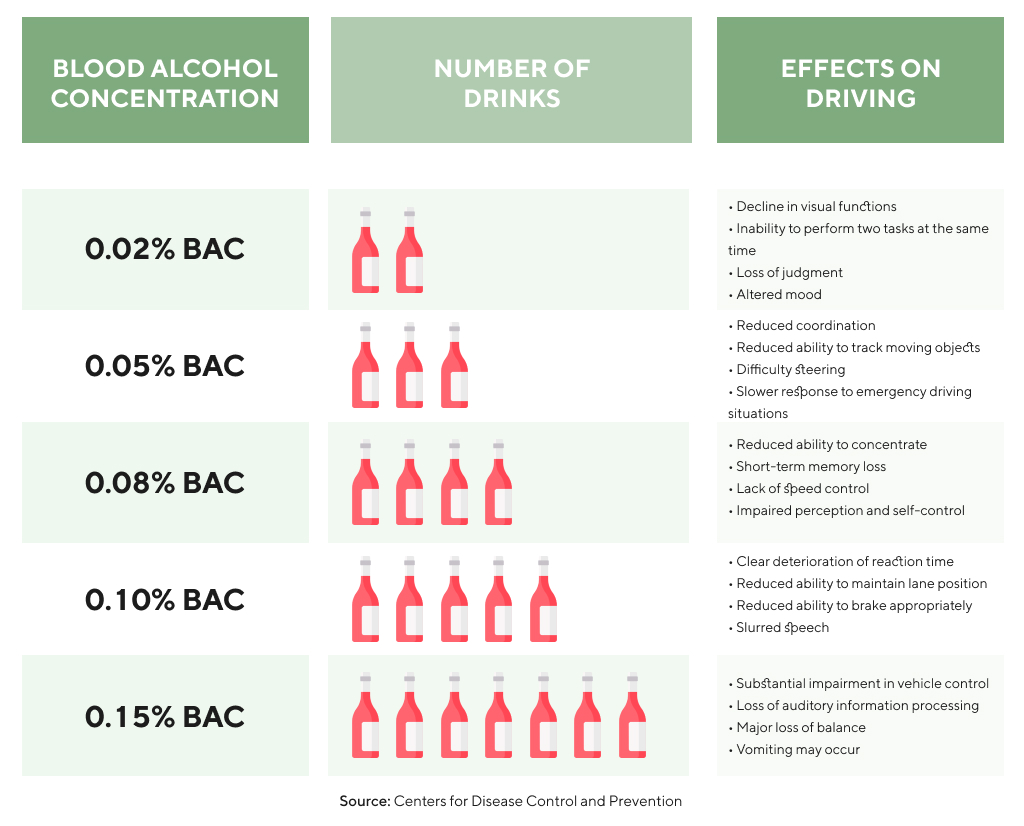
Opt for water or natural fruit-infused water to keep hydrated without risking gallbladder irritation. Remember, moderating alcohol intake is https://kreaturarchitects.com/2024/07/30/exploring-the-brain-neurological-impacts-of/ key to maintaining a healthy gallbladder and overall digestive health. If you're into cooking and you pour some wine into a frying pan then the alcohol disappears almost instantaneously. If you're out in the desert and you're in the sun the temperatures could be over 100 degrees centigrade. So if it's anywhere above 80, 90 degrees you open the bottle and the alcohol will evaporate off within minutes.
How Much Wine Can You Drink Before You’re Dehydrated?
There are countless varieties of tea available, each of which offers its own benefits that can include increased antioxidants and properties that help with sleep, gut health, or even boost your immune system. Tea is also calorie-free and is nearly 100 percent water, so it's just as hydrating if you don't add an excessive amount of sugar. It's not uncommon to feel a little thirsty after drinking tea, but this isn't due to dehydration, but rather the bitter-tasting compounds in tea called tannins that make your mouth feel dry. Analysis was carried out using a portable device operating between 400 and 1000 nm through the reflectance method of acquisition, which was performed by contact on single grape berry.
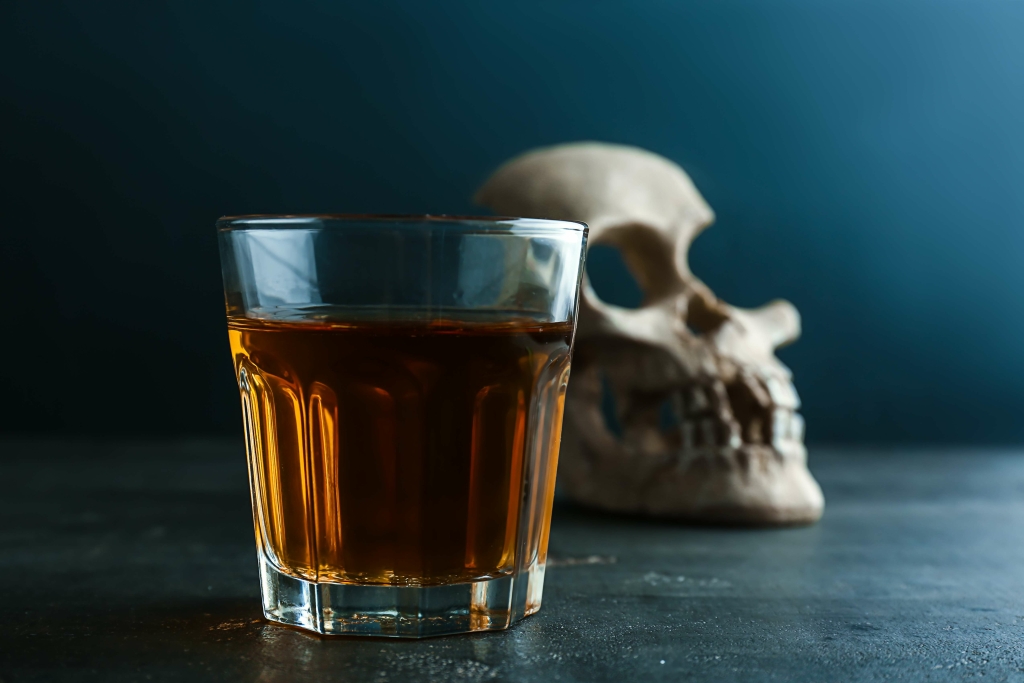
Besides dehydration, alcohol can have other negative effects on the body. For this reason, a person should drink alcohol in moderation and avoid binge-drinking or chronic heavy drinking. A wine headache refers to the headaches that occur after consuming wine, particularly red wine, and can vary in intensity from mild discomfort to severe pain. The exact cause of these headaches can differ from person to person, influenced by various compounds found in wine and individual sensitivities. Understanding these causes is essential for anyone who enjoys a good glass of wine.
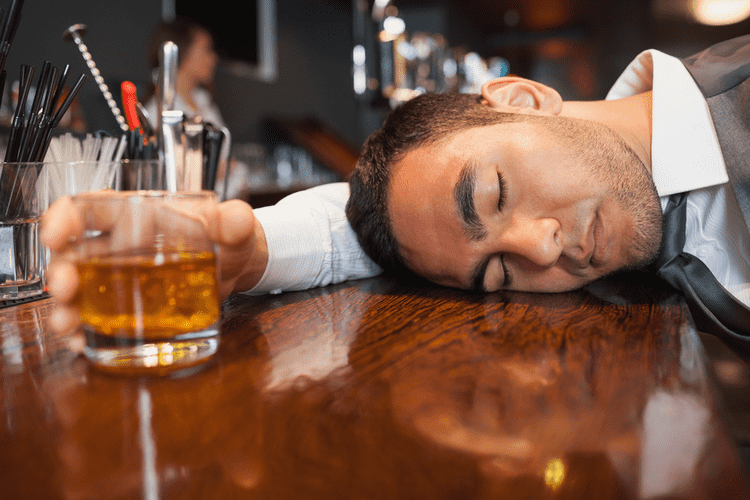
The more alcohol you consume, the more dehydrated your body becomes, as it has to work harder to wine and dehydration process and eliminate the alcohol from your system. Additionally, alcohol inhibits the production of an antidiuretic hormone called vasopressin, which helps your kidneys retain water. As a result, more water is excreted through urine, further compounding the issue. A hangover is a set of unpleasant symptoms that typically occur after consuming an excessive amount of alcohol.